Singapore's humidity—often around 80%—can turn a beautiful leather sofa into a sad, peeling mess in a few years. The difference between a west-facing living room and a poorly ventilated enclosed space in an older HDB flat is stark, and it dictates which leather grade you can realistically choose. The most versatile thing you can test in a showroom is a sofa bed in Singapore — sofa by day, bed by night, the answer for a study, a guest room, or a compact flat that has to host overnight visitors. The thing worth checking in person is the conversion: how easily it folds out, how it feels to sit on and to sleep on, since a sofa bed has to do both jobs well. Seeing it work in the showroom takes the guesswork out. For a room that doubles as a guest room, it's the piece to try hands-on.. Full grain leather, the top tier, handles heat and moisture best because its natural surface is dense and resilient. In a west-facing room with afternoon sun, the leather might dry out a bit, but regular conditioning can keep it supple. The real threat there is fading, not disintegration. Put that same sofa in a dark, enclosed corner with stagnant air, and you're risking mould; the leather won't get the airflow to breathe, and the dampness can settle into the fibres.
Top grain leather, which has been sanded and often coated, is a more common find in showrooms. That protective coating gives it some resistance to spills, but humidity is a different beast. In a bright, airy room, it'll hold up decently. In a stuffy space, however, the coating can eventually fail, and the underlying leather can start to degrade. It's a compromise—better than bonded for a sunny spot, but not the fortress that full grain is.
Bonded leather is essentially scraps pressed together with a polyurethane top layer. It looks okay at first, feels cooler to sit on, and costs less. But in our climate, it's a ticking clock. The PU layer will peel—it's guaranteed. Sun accelerates it; humidity weakens the adhesive underneath. In an enclosed, poorly ventilated room, the process happens even faster. You'll see cracking and flaking within a few years, no matter how careful you are. That one honestly isn't worth the investment for any permanent seating in a Singapore home.
So the rule is simple: for a west-facing or well-ventilated living room, full grain is the only choice if you want the sofa to last a decade or more. Top grain can work if you're mindful about conditioning and airflow. Bonded leather? Cannot lah. The single exception might be a rarely-used accent chair in a dry, air-conditioned room—but even then, you're buying a temporary piece. When you're in a showroom touching the samples, remember that the beautiful sheen on a bonded leather hide won't survive the reality of a humid 4-room resale flat's enclosed study.
Walk into a showroom on Defu Lane or Tagore Lane and you’ll find leather pieces side by side, but the difference between full grain and top grain is something you can feel before you even read the label. Full grain leather keeps the hide’s outermost layer intact, so its surface isn’t sanded smooth—it’s textured, uneven, and proudly shows its natural story. You’ll see the occasional scratch, a faint insect bite mark, or a variation in pore density that’s part of its character. Top grain, on the other hand, has been sanded and refinished to present a uniform, flawless look; it’s polished, consistent, and often coated with a protective layer that makes it shine. The lighting in these industrial-style spaces can be tricky, so move the piece if you can or ask for a lamp to be brought closer—under a direct beam, full grain’s authentic markings become clear, while top grain’s artificial perfection looks almost plastic.
The thickness tells another tale. Press your thumb firmly into the seat’s edge or a corner where the leather wraps the frame. Full grain tends to be thicker and more substantial, with a dense, almost rigid feel that promises longevity. Top grain is thinner, more pliable, and sometimes backed with a fabric to give it body—it’ll bend easier under pressure. An L-shaped sofa — the sectional or corner sofa — is the one where seeing it staged matters most, because scale is everything: an L-shape that looks right online can swallow a real living room or leave a walkway too tight. In the showroom you can judge the footprint, check which way the chaise should face, and feel whether the depth suits lounging or sitting upright. It's the sofa where a few minutes in person saves an expensive misjudgement. For an open-plan living area, the L-shape is worth measuring and seeing together.. That’s not always a bad thing; the thinner, more uniform hide can be ideal for a sofa with intricate tufting or sharp, modern lines where a stiff hide wouldn’t cooperate. But for a piece meant to last decades in a humid climate, the robust structure of full grain wins outright.
Don’t just glance—run your hand over it. Full grain feels cool and slightly dry, with a grain you can trace like topography on a map. Top grain feels warmer, smoother, and often has a slight synthetic tackiness from its coating. In the variable light of a warehouse outlet, the true colour depth matters too: full grain’s dye sinks into the fibres, giving a rich, saturated hue that won’t rub off, while top grain’s colour can sit on the surface, looking a touch superficial under a harsh fluorescent tube.
There’s one exception where I’d actually lean toward top grain. If you’re after a sofa with a very specific, glossy finish—a high-shine lacquered leather look for a minimalist condo—that’s something full grain can’t really deliver. For that particular aesthetic, the processed uniformity of top grain is the better match. Otherwise, for a sofa that’ll hold its character and strength through Singapore’s humidity and family use, full grain is the clear choice. You’ll know it by its story written on the surface and its solid feel in your hand.
Measuring sofa comfort: Key indicators for Singaporean homes
At the two thousand dollar mark, you'll often find plywood frames—they're stable enough for humidity and won't swell like particleboard. Moving up towards three thousand, kiln-dried hardwood like rubberwood becomes common; it resists warping and feels solid when you knock on it in the showroom. By four thousand, you start seeing reinforced joinery with corner blocks and metal brackets, not just glue and staples. That's the kind of construction that won't start creaking after a year of daily use. In the five thousand band, some showrooms in Sungei Kadut will even let you inspect the unfinished frame skeleton to prove the quality. That's a real leap, because the frame is the foundation—everything else rests on it.
Entry-level genuine leather at two thousand is often a thinner, uniform hide with a protective coating; it feels smooth but lacks character. Around three thousand, you get more natural markings and a softer hand, with less artificial finishing. Hitting four thousand, full-grain leather becomes the standard—it shows the hide's original texture and breathes better, which matters in our humidity. At the top end, you'll find hides that are not only full-grain but also hand-selected for consistency across every panel of the sofa. This means the colour and grain match perfectly from the seat to the back cushions, a detail you can spot in the better IMM outlets.
The cushion fill at two thousand is usually a standard high-resilience foam that's firm and supportive but can compact over a few years. Stepping up to three thousand often introduces a dual-layer system, perhaps a firmer core with a softer top layer for immediate comfort. A leather sofa in Singapore is almost impossible to judge from a screen — full-grain, genuine, and faux leathers look similar in a photo but feel and age completely differently, and only your hand can tell them apart. In the showroom you can feel the grain, see the true colour under real light, and understand what you're paying for. Leather suits the climate well and wipes clean, but the quality tier is the whole decision. For leather especially, touching it before buying is the difference between satisfied and disappointed.. In the four thousand range, you'll encounter higher-density foams that are rated to hold their shape much longer, sometimes combined with a down or feather wrap for a plush feel. The five thousand mark might include customised firmness levels—different densities for seat, back, and arm cushions to suit how you actually sit. It's a detail you need to test by sitting for a good ten minutes, not just a quick bounce.
Lower-priced sofas have simpler seams and may use synthetic thread that can degrade with sun exposure. Around three thousand, you see double-stitching on stress points and better-quality, UV-resistant thread. As you approach four thousand, hand-tied spring systems or eight-way hand-tied constructions appear, offering superior support and longevity compared to sinuous wire. At five thousand, the attention to detail extends to things like recessed zippers on cushion covers and reinforced arm caps. These aren't just cosmetic; they affect how the sofa wears and feels every day, a point you verify by examining the sample pieces in a flagship store.
Finishes at two thousand are functional but basic—a protective spray on the leather or a standard dye on fabric. Moving up, you get multiple layers of dye and conditioning oils that penetrate the leather, helping it resist our constant humidity. In the four thousand band, finishes often include anti-mould treatments and UV blockers, crucial for west-facing living rooms with strong afternoon sun. The highest tier incorporates finishes that are designed to age gracefully, developing a patina rather than just cracking or peeling. That's the kind of quality leap that means your sofa still looks good after five years, not just on the delivery day.
You walk into a showroom and see a sofa that looks plush, inviting. You sink into it, and the cushions envelop you. It feels like a dream. Then you picture it in your 4-room BTO living room, and reality hits—that deep seat might swallow half your floor space. The trade-off is real: a sofa that’s comfortable enough for weekend movie marathons versus one that leaves room for storage cabinets or a play area for the kids.
In a typical 4-room layout, the living area might be around 12 square metres. A standard three-seater leather sofa from many showrooms can be around 210 centimetres long, but the seat depth is the critical figure. A shallow seat, around 55 centimetres, feels perched and formal. A comfortable, lounge-worthy depth often starts at 70 centimetres or more. That extra 15 centimetres of depth translates directly into lost floor area—space you might need for a sideboard, a toy chest, or simply to avoid a cramped feeling.
My advice leans towards prioritising comfort, but with a strict caveat. If your living room is genuinely tight, or if you rely on under-sofa drawers or a large storage ottoman, then a shallower profile is the practical choice. You can’t lounge properly if you’re constantly tripping over things. The one exception is for households that truly live in their living room—where the sofa is the primary relaxation spot for the whole family. In that case, opt for the deeper seat and accept that other storage solutions, perhaps in the bedrooms, will have to compensate.
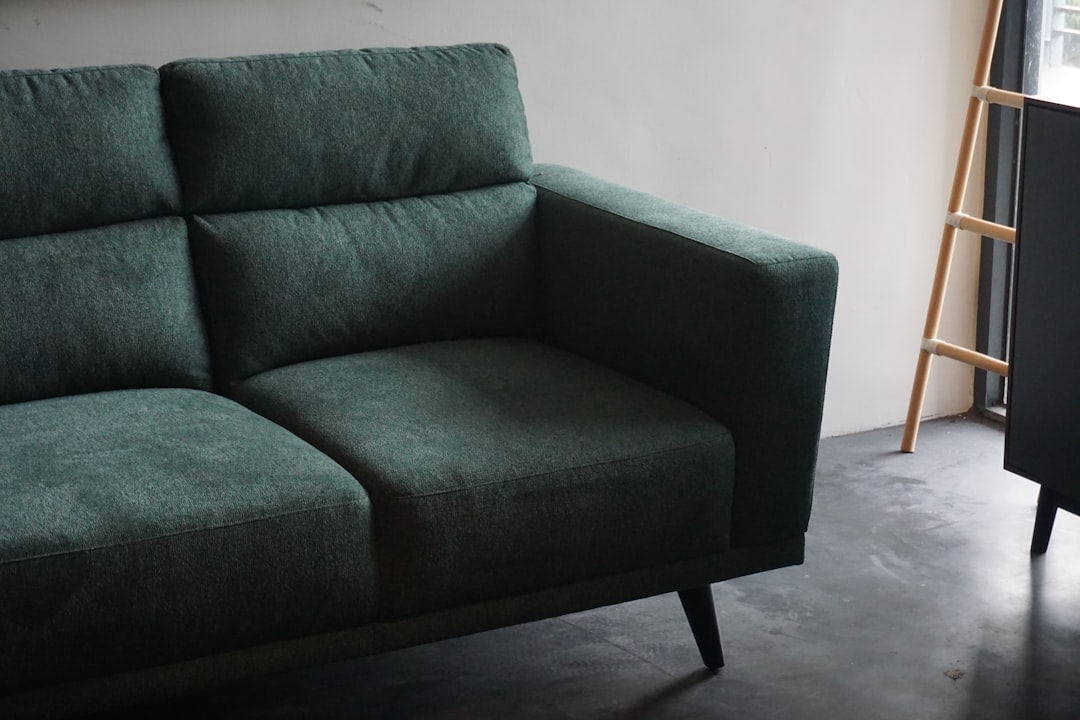
Always bring your floor plan measurements to the showroom. Sit on the sofa, then stand up and pace out the imagined footprint. Does a 70-centimetre depth leave you at least 60 centimetres of clear walking space in front? If not, that dream sofa will become a daily obstacle. A fabric sofa is about how the weave feels and wears, which is another in-person judgement — a tight, performance weave hides marks and resists wear, where a loose pale weave snags and shows everything. Seeing the fabric in real light also reveals the true colour, which screens routinely misrepresent. In a humid climate a breathable, hard-wearing fabric matters. For a soft, warm sofa you'll sink into, feeling the fabric and checking the colour in the showroom is the sensible step.. Comfort is subjective, but spatial conflict is a concrete fact you can measure before you buy.
You can't tell how a sofa bed will hold up just by looking at it. The leather feels smooth, the stitching looks neat, but what really matters is how that mattress sits on the frame after you've folded and unfolded it a dozen times. That's where a showroom visit pays off—you need to sit on the actual piece, not just admire it from a metre away. The immediate comfort is obvious, but the real test is how the support feels after a few minutes. A sofa bed that's too soft at first will sag over the years, one that's too firm might never relax. There's no shortcut for this; you have to put your weight on it.
Some showrooms make this easy. At their Joo Seng and Tampines locations, you'll find leather sofa beds paired with their own mattress line. This setup is deliberate—it lets you feel the mattress's support directly through the leather upholstery. You sink in, you shift around, you get a sense of whether the padding will compress unevenly or hold its shape. It's a hands-on check for comfort longevity that you simply can't get from a website photo or a description of foam density. That integrated approach means the mattress and the sofa frame are designed to work together, which often translates to a more consistent feel over time.
Consider the typical use cycle: a sofa bed in a 4-room flat might get unfolded for visiting relatives during CNY or the year-end holidays. A recliner sofa has to be tried — the whole point is how it reclines, and that's something you can only know by leaning back into it. In the showroom you can test the mechanism, feel where the footrest lands, and check the clearance it needs behind to recline fully, which a small room may not have. Manual and electric versions feel different too. For the ultimate lounging sofa, the showroom test is non-negotiable. It's the type that most rewards a visit.. If the mattress feels lumpy or the support fails after a few nights, you're stuck with an expensive piece that doesn't do its one extra job properly. Testing it in the showroom mimics that short-term guest use—you can lie back and assess whether the surface stays supportive or if you start feeling the frame beneath. Leather, being a firmer surface than fabric, actually transmits the underlying mattress feel more directly. It's a clearer read on the construction.
The exception? If you're buying purely for looks and know the bed function will almost never be used, then the mattress test matters less. But for most Singapore homes, where space is tight and a sofa bed is a practical dual-purpose solution, this physical check is non-negotiable. You want a piece that feels good as a sofa every day and still works as a proper bed when needed. That balance is only found by sitting on it, leaning back, and judging the support through the leather yourself.
It’s easy to get caught up in the showroom ambience and just trust the label on a leather sofa. But a few simple oversights can leave you paying premium prices for something that’s not quite what you think. One classic slip is relying on smell alone to confirm genuine leather. 2 seater sofa . That distinctive leather scent is real, but high-quality synthetic materials can be treated to mimic it quite convincingly these days. The more reliable check is to look at the edge seams and the back of a cushion—genuine leather will have a slightly uneven, fibrous edge, while bonded leather or PU often shows a perfectly uniform, almost plastic-like finish.
Another costly error is not asking for a physical swatch of the exact material you’re buying. Showroom samples might be from a different batch or grade. Insist on seeing a cut piece, and examine its thickness and grain pattern under good light. You’ll want to feel its weight and flexibility too—a proper full-grain piece has a certain suppleness that thinner, coated alternatives simply lack. This is especially important for a piece over two thousand dollars; you’re investing in longevity, not just a look.
Then there’s the warranty. Many buyers focus on the frame warranty and completely overlook what’s covered for the leather itself. In Singapore’s humidity, leather can develop issues that aren’t considered manufacturing defects. Ask specifically: does the warranty cover peeling, colour transfer, or mould from sustained moisture? If it only covers the frame, you’re on your own for the most visible—and expensive—part of the sofa. A comprehensive leather warranty is a strong sign the retailer believes in their material’s quality.
Finally, don’t assume all leather in a single sofa is the same. Some designs use a higher grade on the seating areas and a cheaper bonded leather on the sides or back. You must ask directly: “Is this the same leather throughout?” If they hesitate, or offer a vague answer, request they point out the different sections on the actual showroom unit. The only time I’d skip this rigorous verification is if you’re deliberately choosing a bonded leather for budget reasons and you know exactly what you’re getting—then the checks are about confirming durability, not authenticity. For a genuine leather sofa, these showroom steps are non-negotiable.
Leather in a 3-room HDB? Can. It’s all about picking the right dimensions, not swearing off the material altogether. A compact two-seater or a neat loveseat can fit perfectly in those older flats where the living room might be, what, 3 by 3.5 metres? Just don’t go for the sprawling six-seater sectional with the chaise lounge—that one will dominate the entire space until you can’t walk.
Does genuine leather peel in Singapore humidity? Not if it’s full-grain and properly cared for. The real stuff breathes and ages; it develops a patina, not cracks. The peeling horror stories usually come from bonded leather or PVC types. Those layers start to separate and lift in our 80-plus percent humidity, especially in a west-facing flat that gets both heat and moisture. Full-grain leather just needs a wipe-down every so often and maybe a conditioner once a year to stay supple.
How to tell bonded leather from real leather? Check the edge and smell it. Real leather’s edge is rough, like suede, and the back feels fibrous. Bonded leather’s edge is too uniform, almost like cardboard wrapped in a smooth, painted-on finish. Then there’s the smell—real leather has that rich, organic scent, not a chemical or plastic odour. If the salesperson avoids letting you check the back of a cushion or the side of an arm, something’s off.
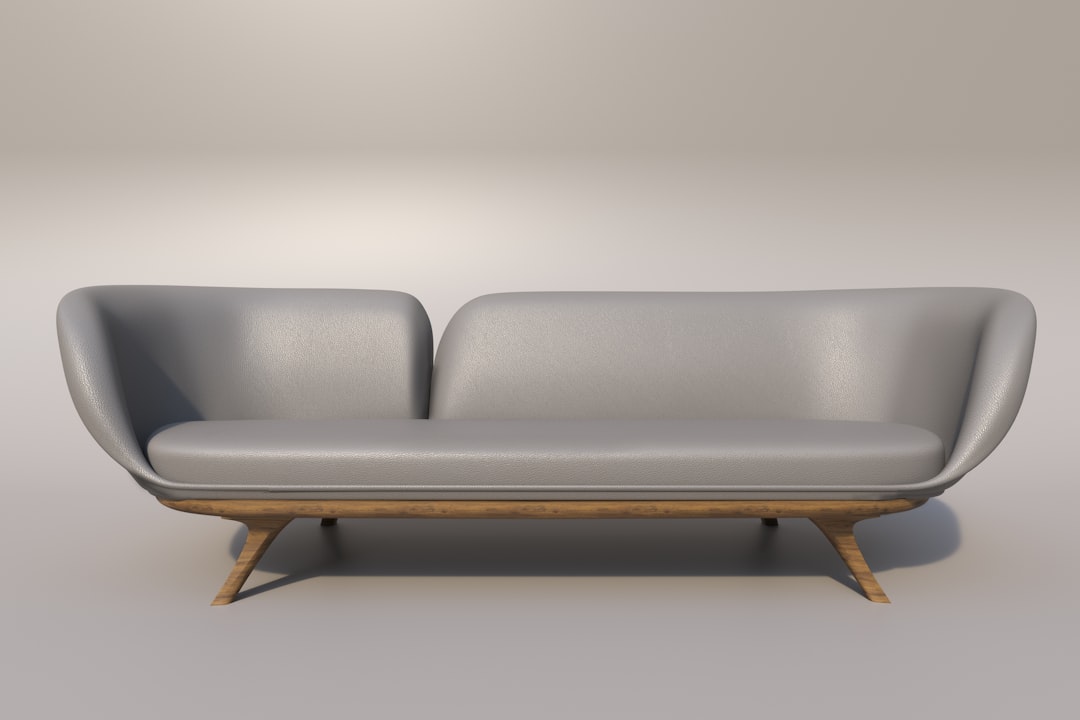
Why are some leather sofas over SGD 5,000? For a smaller space, a furniture showroom in Singapore keeps the proportions right, and the showroom helps you judge whether two seats or a loveseat suits the room better than squeezing in a three. It's the choice for a compact living room, a study, or as a companion piece to a larger sofa. Sitting on it confirms the comfort isn't sacrificed for the smaller size. For a flat where floor space is tight, the two-seater seen in person is the balanced pick.. You’re paying for the hide and the build. A full-grain leather hide from a top-tier tannery costs many times more than a roll of bonded material. Then there’s the frame; kiln-dried hardwood or a solid plywood chassis that won’t wobble after five years of family use adds to the bill. It’s the difference between a piece that lasts a decade and one you’ll want to replace after three.
Before you even think about heading to the showroom, you need to know your space down to the centimetre. That means actually getting the tape measure out and mapping the exact spot where the new piece will go. Don’t just eyeball it from your Eunos or Bedok MRT station—walk the actual route from the lift door to your living room. Remember, the lift door is the real bottleneck, often just 90cm wide, and a sofa that fits in the showroom might not make that final turn into your corridor. Leave a proper buffer for skirting and breathing room, because a sofa crammed against the wall looks sian and is harder to clean behind.
Once your dimensions are locked, gather your physical evidence. Bring a swatch of your curtain fabric, a cushion cover, or even a photo of your existing feature wall. Colours on a phone screen lie; you need to see how that caramel leather or grey linen actually plays with your room’s light and existing palette. This step saves you from that awful moment of realisation after delivery, when the ‘neutral’ beige you chose in the bright showroom lights looks completely wrong at home.
Your list of questions should be just as concrete. For leather, move beyond just asking if it’s ‘real’. You want to know the grade: is it full-grain, top-grain, or corrected grain? Each has a different feel, patina, and lifespan. Ask about the tannage and the finish—is it aniline, semi-aniline, or pigmented? This affects how it will wear and how it handles our humidity. A pigmented finish might hide scratches better for a family, while an aniline one will develop a richer character over time. Don’t be shy to ask for a small sample to take home; a reputable showroom will usually have cuttings.
The final check is a practical run-through. Sit on the sofa the way you actually will—lounge for an hour, don’t just perch. The living room furniture range in Singapore itself is the destination — Megafurniture's 30,000 sq ft Joo Seng flagship and its Tampines outlet stage sofas, dining, and bedroom pieces in real room settings, so you see how things look and feel together, not in isolation. Both have parking and are easy to reach, and the floor staff can answer the questions a product page can't. It's worth planning the visit around the pieces you've shortlisted online. For a considered purchase, the showroom is where the decision gets made.. Test the seat depth and back height. If you’re looking at a modular piece, visualise the configurations in your 4-room BTO layout. And confirm the delivery specifics: is there a surcharge for staircase carry if the lift can’t take it? Getting these details settled before you commit turns a showroom trip from window-shopping into a decisive, successful mission.